Quick answer: A whine is not proof the pump is finished. Most power-steering noise is air in the fluid, and air usually means the system is drawing it in through a hardened O-ring, a tired hose or a leaking shaft seal — all cheaper than a pump. Have the noise and leak traced first, then match the replacement to your system type and to the fluid your manufacturer specifies. Review pump fitment or get a VIN-based quote.
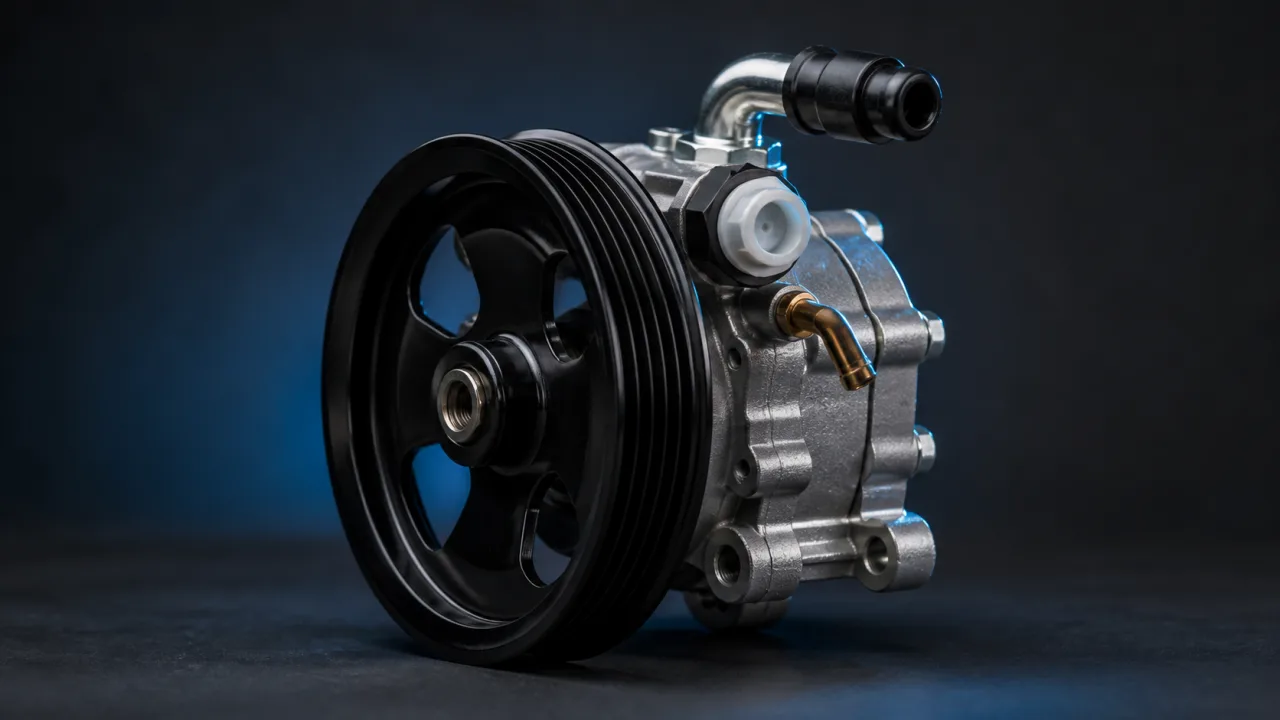
The power steering pump pressurizes fluid so the steering feels light and responsive. When it wears out, steering gets heavy, noisy, or jerky — and on hydraulic systems it can fail completely. A tested used pump is an affordable way to restore easy steering.
Signs of a failing power steering pump
- Whining or groaning noise that rises as you turn the wheel
- Stiff or heavy steering, especially at low speed
- Steering that feels jerky or "catches"
- Power steering fluid leaks or low fluid
- Squealing belt when turning
Note: many newer cars use electric power steering and have no pump — confirm your system type first.
What a used power steering pump costs
Used hydraulic pumps are an inexpensive repair on most vehicles. Price depends on your make, model and engine. Plan to replace the fluid (and inspect the belt) at install for the best result.
How to buy the right one
- Match by VIN: pump design and pulley vary by engine — search by VIN for an exact fit.
- Check the pulley and shaft: they should turn smoothly without grinding or excessive play.
- Confirm it was tested and ask about the warranty.
Whine first, pump second
The noise you are hearing is usually cavitation: air bubbles mixed into the fluid collapse as they pass through the pump, and that is what produces the whine. Foam or bubbles in the reservoir means the system is ingesting air — commonly through a hardened O-ring on the pump's inlet hose, a cracked hose, or a worn pump shaft seal — and fixing that can silence the car without touching the pump. Fluid that has gone dark gray or glitters with metal is the opposite verdict: that is internal wear, and the pump has had it.
Pump, hose, or rack?
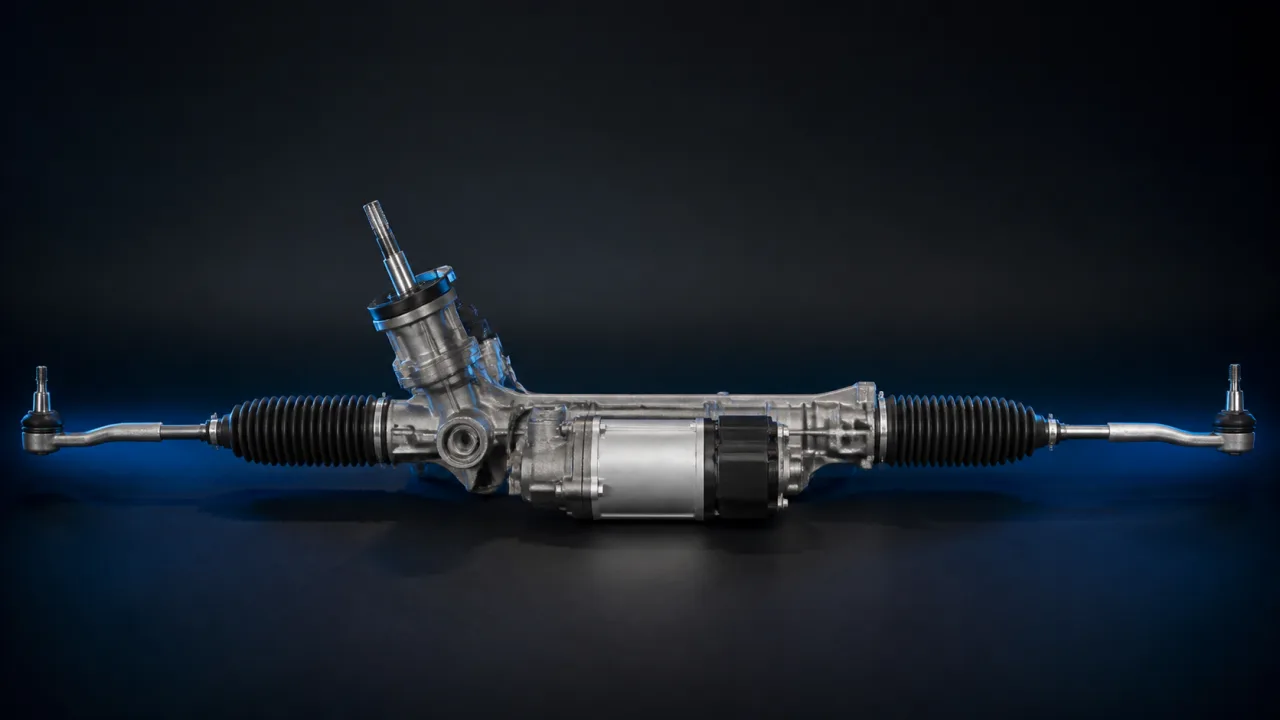
Where the puddle lands narrows it down fast. Fluid at the front of the engine near the belt points to the pump or its hoses; fluid under the middle of the car points to the steering gear; and fluid found inside the rack bellows is almost always the rack's own seals, not the pump. A shop confirms it by cleaning everything dry and watching while the wheel is worked lock to lock. Worth doing before you order: a used steering rack is a different job and quote — our steering-rack guide covers that side.
There is also a third system type beyond hydraulic and fully electric. Electro-hydraulic setups keep a normal hydraulic rack but drive the pump with an electric motor and control module in one motor-pump unit, so assist no longer depends on engine speed. That unit has nothing in common with a belt-driven pump, so identify which your VIN carries.
The fluid spec is not a detail
Use the fluid the manufacturer specifies, not whatever is nearest on the shelf. Incompatible fluid attacks the seals, swelling or shrinking them until the system leaks internally. It cuts both ways: some Toyota applications are designed around Dexron ATF while later ones call for a dedicated Toyota fluid, and pouring ATF into a system built for Honda's own fluid over-expands the rack seals and can end in seal failure. A used pump filled with the wrong fluid will not last.
Two practical points for the estimate. The pulley usually has to come off your old pump and go onto the replacement, and that needs a proper power-steering pulley puller and installer — a jawed gear puller is the wrong tool. And ask whether the reservoir is part of the unit you are quoted or transfers across. See how used-part pricing is built.
Find a used power steering pump
Review power-steering-pump fitment or request a VIN-based quote so the applicable configuration, condition, shipping, warranty, and final pricing can be confirmed before purchase.