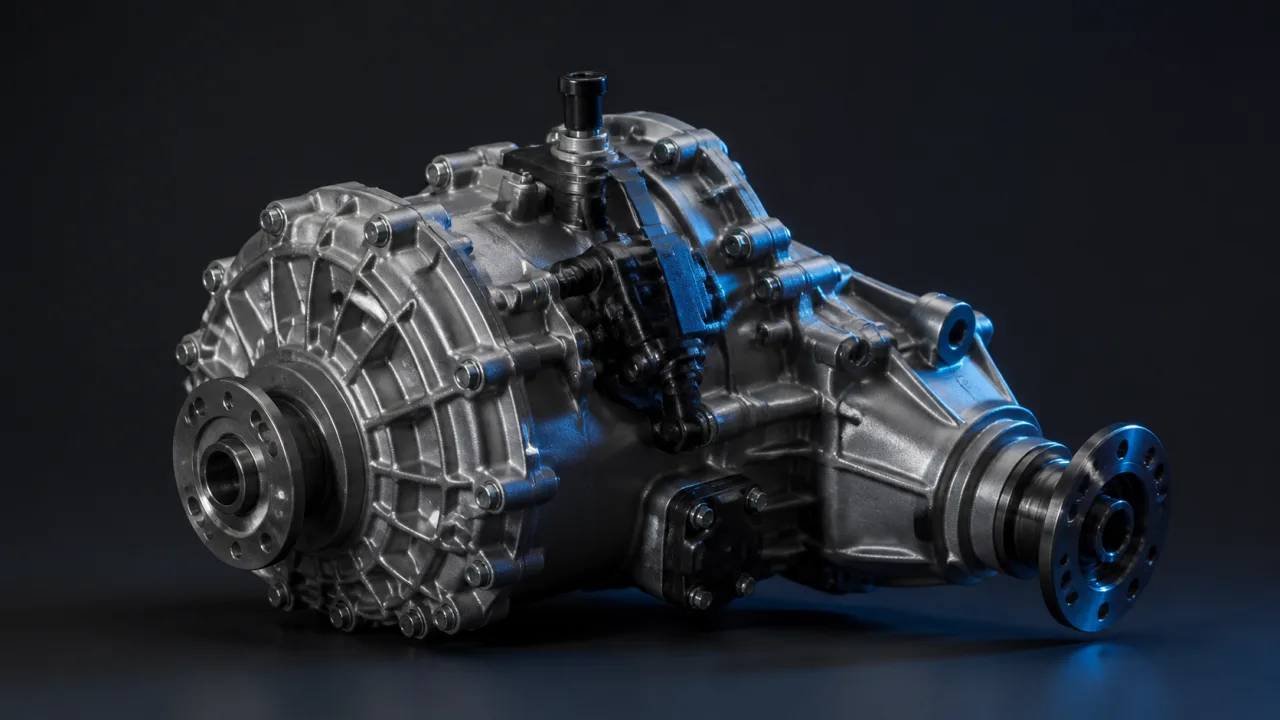
A driveshaft - or propshaft - transmits torque from the transmission or transfer case to the axle. It is a balanced assembly, and that word does a lot of work: a driveshaft is not simply a tube, and small changes to it have large effects on how the vehicle feels.
Confirm the vibration is the driveshaft
Driveshaft vibration is typically felt through the floor, rises with road speed rather than engine speed, and may change under acceleration versus coasting. Common alternatives are:
- Wheels and tyres: imbalance, a damaged belt or an out-of-round tyre. These are far more common and much cheaper to check first.
- CV or U-joints: a worn joint produces vibration and often a clunk on take-up.
- Centre support bearing: on a two-piece shaft, a perished bearing mount causes vibration and noise.
- Hub bearings or a bent axle shaft.
On many vehicles the U-joints or the centre support bearing can be replaced individually, which is far cheaper than a complete shaft. Ask whether that applies before ordering an assembly. A driveshaft that has come loose or is badly damaged is a safety issue - do not keep driving it.
Length is the usual fitment trap
Driveshaft length varies with wheelbase, cab and bed configuration, transmission type and whether the vehicle has a transfer case. Two vehicles of the same model year and trim can take different shafts. Measure your original shaft and record the measurement, along with the flange or yoke type at each end and the number of splines where applicable. Confirm those against the unit being quoted through a VIN-based request.
Condition checks
- Tube: dents, deep corrosion or evidence of impact. A dented tube cannot be balanced reliably.
- Balance weights: present and still attached. Missing weights mean the shaft is no longer in balance.
- U-joints or CV joints: free of play, not seized, boots intact on CV-jointed shafts.
- Slip yoke and splines: wear, scoring or twist. Twisted splines indicate a shock load.
- Centre support bearing: on two-piece shafts, the rubber mount perishes with age even at low mileage.
- Flanges: flat, undamaged bolt holes and true faces.
Ask whether the shaft has been balanced since removal. A used shaft that has been checked and balanced is worth meaningfully more than one that has not, and rebalancing is a normal step at a driveline shop.
Before you commit
Confirm the measured length, both end types, the joint condition and whether the centre bearing is included. Ask for it to be shipped supported, since an unsupported shaft bends easily. Our 30-day limited warranty (up to 90 days on select parts, where your quotation says so) covers the part itself, not labour, installation, diagnostics or any other repair cost. Returns must be requested within 7 calendar days of delivery and need a written RMA from us before anything is sent back.
Use the driveshaft quote page or the part request form with your VIN, wheelbase and the measurement from your original shaft.