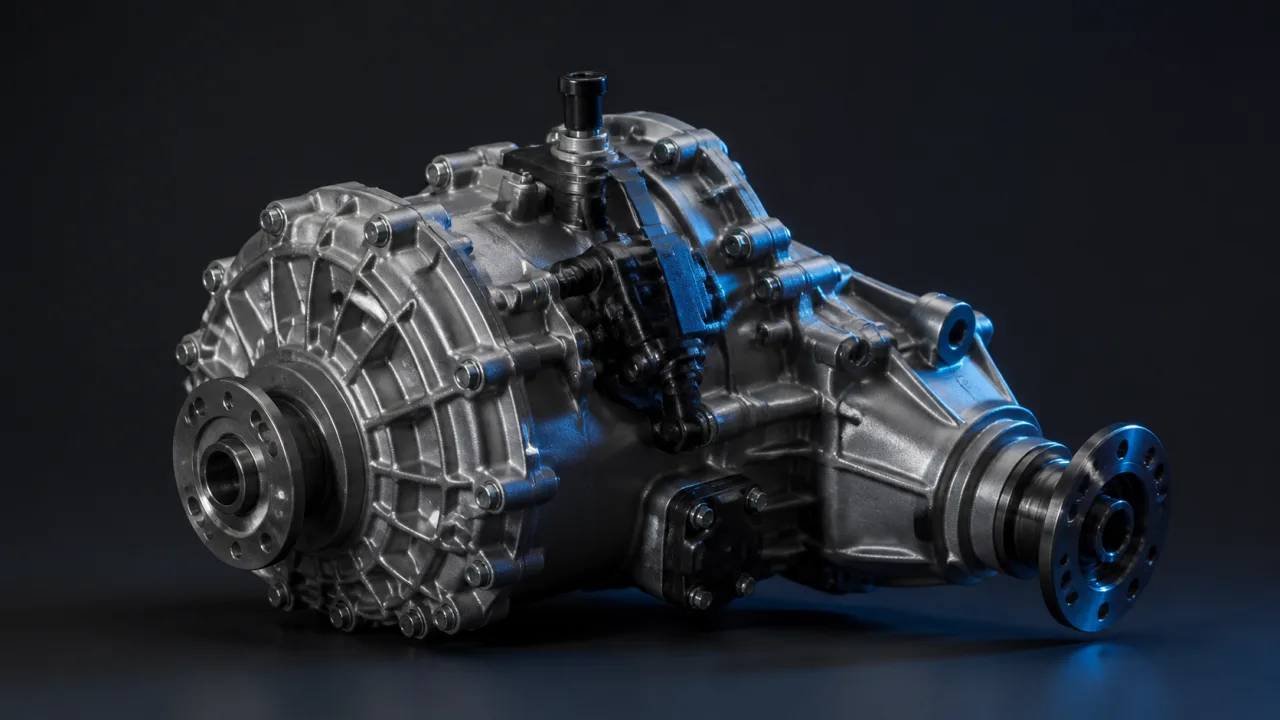
A used rear axle assembly can be a practical repair when the housing, differential, or axle shafts are genuinely the problem. The hard part is fitment: two assemblies from the same year and model can have different gear ratios, axle codes, brake setups, mounting points, or differential types. Confirm the original assembly before requesting a quote, rather than ordering by appearance alone.
Make sure the complete rear axle is the problem
Rear-end noise does not automatically mean the entire axle needs replacement. A wheel bearing, brake hardware, driveshaft U-joint, worn differential bearing, or a loose suspension mount can sound similar from the driver's seat. Note when the symptom occurs: a whine that changes on acceleration or deceleration can point toward ring-and-pinion or pinion-bearing wear, while a rumble that changes when the vehicle is loaded in a turn can be a wheel bearing. A clunk at takeoff may come from driveline play rather than the axle housing.
Have the vehicle inspected before replacing a high-value assembly. A technician can check wheel play, fluid condition, gear backlash, axle-shaft end play, mounts, and trouble codes where wheel-speed sensors or electronic locking differentials are involved. If the housing is sound and the fault is limited to the gears or carrier, our used differential guide explains the narrower repair. On an independent-rear-suspension vehicle, the rear carrier and individual half-shafts may be separate pieces; a clicking joint may instead call for the checks in our CV axle symptoms guide.
What counts as a rear axle assembly?
On a solid-axle truck, SUV, or rear-wheel-drive car, a complete rear axle often means the housing, differential, axle shafts, wheel ends, and sometimes brakes or hubs. The exact contents vary. On many independent-rear-suspension vehicles, the term may refer only to a rear differential carrier, while the control arms, knuckles, hubs, and half-shafts stay on the vehicle. Do not assume that rotors, calipers, parking-brake hardware, sensors, brake lines, or the driveshaft flange are included.
Before asking for a quote, photograph your original assembly from the rear and both sides. Include the differential cover, axle tubes, spring or control-arm mounts, brake setup, wiring connectors, and any tags or stamps. Those details make it much easier to distinguish a true assembly match from a similar-looking near miss.
Use the axle code and VIN together
Your VIN is the best starting point for the vehicle's model, engine, drivetrain, and production range, but it is not a substitute for the vehicle's axle-option data. The axle code ties the assembly to a factory configuration such as ratio, capacity, or differential type. Its location and format vary by manufacturer. It may appear on the vehicle certification label, a build sheet, or a metal tag or stamped marking on the axle housing.
Send a clear photo of every code rather than transcribing it from memory. A useful quote request includes the VIN, axle-code photo, housing-tag or stamping photo, drivetrain type, and whether the vehicle has 2WD, 4WD, or AWD. Include the original assembly number if one is visible. This is especially important for pickups and SUVs that offered multiple towing, limited-slip, locking-differential, or single- versus dual-rear-wheel configurations in the same model year.
Gear ratio is a non-negotiable match
The rear gear ratio describes how many turns the driveshaft makes for one turn of the ring gear; a 3.73 ratio, for example, is about 3.73 driveshaft turns for one ring-gear turn. The replacement should retain the vehicle's specified rear ratio and differential type. A different ratio can change engine speed at a given road speed and may affect speed-related systems or transmission behavior.
For 4WD and AWD applications, the front and rear final-drive ratios must be compatible with the vehicle's drivetrain design. A mismatch can create driveline bind and expensive damage when the system sends power to both axles. Match more than the number: confirm whether the original is open, limited-slip, mechanical locking, or electronically locking, and verify any actuator, sensor, or connector requirements. The same caution applies to vehicles with traction-control programming tied to the axle configuration. If the problem is farther forward in a 4WD or AWD system, see our used transfer case guide for its separate tag-number and fitment checks.
Rear axle fitment checklist
Once the ratio and axle code line up, compare the physical and electronic details that make the assembly installable:
- Housing and mounts: axle width, tube diameter, leaf-spring perches or control-arm brackets, shock mounts, panhard-bar mount, and sway-bar provisions must match the chassis.
- Wheel ends and brakes: match the bolt pattern, hub or flange style, disc versus drum brakes, parking-brake design, ABS tone rings, wheel-speed sensors, and connector layout.
- Driveline connection: verify the pinion flange or yoke, driveshaft bolt pattern, and input-spline arrangement where applicable.
- Capacity and configuration: distinguish 2WD from 4WD/AWD, single rear wheel from dual rear wheel, and standard-duty from towing or heavy-duty options.
- Included pieces: get a written list of what transfers from your original assembly and what comes with the quoted unit. Small omissions such as sensors, parking-brake parts, or a matching flange can create installation delays.
Used rear axle condition checks to request
Condition matters as much as compatibility. Ask for specific information and photos rather than relying on a broad label such as “good condition.” Look for cracks around spring perches, control-arm brackets, shock mounts, and the differential cover flange; bent axle tubes; damaged wheel flanges or studs; stripped drain or fill threads; corrosion around brake-line fittings; and impact damage at the pinion yoke or housing.
Ask whether the assembly turns smoothly, whether excessive play or noise was noted, and whether there are visible fluid leaks or metal debris. Request a readable image of the axle tag or code and confirmation of the ratio and differential type from that identifier. Also ask what fluid service, seals, brakes, sensors, and parking-brake components your installer should inspect or renew during the swap. Get the quoted part contents, freight terms, any core charge, and the applicable warranty or return terms in writing before payment; they can vary by the specific quote.
When a used axle makes sense—and when to pause
A used assembly is worth considering when diagnosis confirms internal axle or housing damage and an exact code, ratio, and configuration match can be documented. It is not a shortcut for an unknown noise, a bent suspension mounting point, or an electrical fault that has not been tested. For a vehicle used for heavy towing, a specialty ratio, or a critical electronic differential, compare the condition information and written terms for the used option with rebuilding the original or choosing a new or remanufactured unit.
This is suspension, brakes, and driveline work, not a casual driveway swap. A vehicle with a loose wheel, severe grinding, a locked axle, a major gear-oil leak, or loss of drive should not be driven to “see if it clears up.” Arrange inspection or towing. Professional installation is also the safer choice when brake hydraulics, axle setup, electronic calibration, or welding-related suspension damage is involved.
Request a fitment-first rear axle quote
Once you have the diagnosis and code photos, request a used rear axle assembly quote with your VIN, axle code, ratio, drivetrain type, and images of the original housing tag. You can also use the part request form to provide the vehicle details and ask the fitment questions above before you commit.