A transmission valve body is the hydraulic control section inside many automatic transmissions. It routes transmission fluid through passages, valves, and—depending on the design—solenoids to apply the correct gear and manage shift pressure. When the fault is truly in the valve body, a correctly matched replacement can be a narrower repair than replacing a complete transmission. The key word is truly: harsh shifts, delayed engagement, slipping, or limp mode can also come from a transmission control module, wiring, sensors, fluid issues, or internal mechanical wear.
Do not diagnose the valve body from one symptom
A change in shift quality is a reason to investigate, not proof that the valve body has failed. Fluid condition, solenoid operation, speed-sensor data, battery voltage, harness damage, engine performance, and internal clutch wear can overlap in the same symptom. A qualified transmission technician can review the vehicle-specific fault information, inspect the fluid and pan where appropriate, verify electrical inputs, and determine whether the hydraulic control section is the likely cause before a part is ordered.
If the vehicle loses drive, has severe slipping, makes grinding noises, leaks heavily, or enters a reduced-power mode, avoid using it as a test vehicle. Arrange a qualified inspection or tow. Continuing to drive can turn a repairable fault into wider transmission damage.
Valve body vs. TCM vs. complete transmission
These components work together, but they are not interchangeable diagnoses:
- Valve body: the hydraulic control assembly inside the transmission. Wear in passages or valves, a sticking component, or a failed integrated solenoid can affect how a specific gear or shift event is controlled.
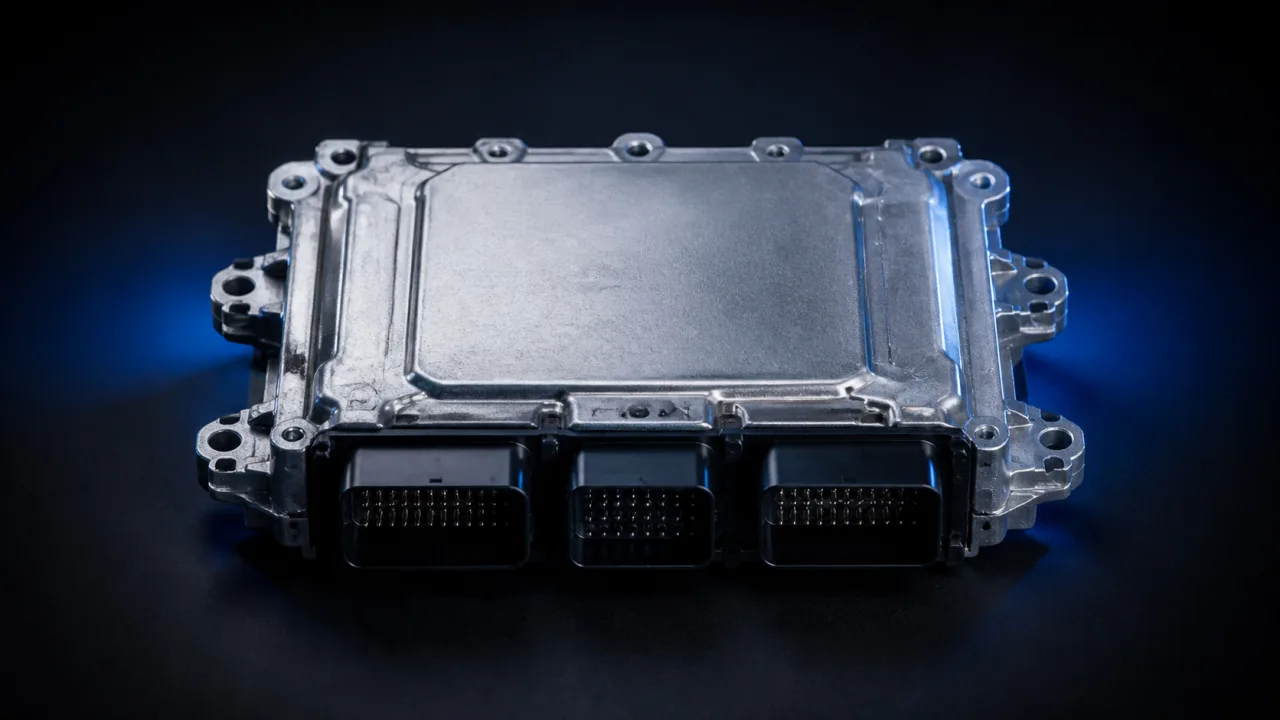
- Transmission control module (TCM): the electronic controller that processes sensor information and commands the transmission. A TCM, its wiring, or its programming can create similar shifting behavior without a mechanical valve-body failure. See our TCM diagnosis and fitment guide for the controller-specific questions.
- Complete transmission: the larger mechanical assembly. Worn clutches, damaged gears, pump problems, or contamination may require a different repair path. Our bad transmission symptoms guide explains when a whole-unit diagnosis needs to be considered.
Some designs combine electronic controls and solenoids with the valve body more closely than others. That is why an exact transmission identification is more useful than a generic description such as “automatic gearbox” or “same model year.”
Symptoms that warrant a valve-body evaluation
A technician may evaluate the valve body when the transmission has a repeatable, diagnosed shift-control concern. Possible signs can include:
- harsh, delayed, or inconsistent shifts that occur in a particular gear change;
- a transmission that enters a protective mode or remains in one gear after other electrical checks;
- a diagnosed solenoid or pressure-control concern associated with the specific transmission design;
- shift flare, shudder, or engagement behavior that persists after the vehicle’s actual fluid and electronic condition are assessed; or
- a repair-shop finding that the hydraulic control assembly, rather than the complete unit, is the appropriate repair scope.
These are not a remote diagnosis. The same symptoms can arise from low or unsuitable fluid, a clogged filter, a damaged connector, a speed sensor, a TCM fault, or internal wear. Ask the diagnosing shop to explain what it ruled out and why the valve body is the proposed part.
Match the exact transmission—not only the vehicle
One vehicle model can use several transmission families, gear ratios, drivetrains, software revisions, and valve-body configurations. The most reliable starting point is the transmission identification tag, code, or original part number, together with the VIN. A quote request should include clear photos of every label or casting number on the original component when accessible.
Before requesting a used valve-body quote, collect:
- VIN and exact transmission code: engine, drivetrain, and production changes can affect the compatible unit.
- Original valve-body or transmission identifier: photograph every number, suffix, barcode, and revision mark rather than relying on memory.
- Solenoid and connector configuration: confirm whether the quoted assembly includes solenoids, sensors, harnesses, a separator plate, or a mechatronic/electronic section.
- Original diagnosis: include the repair shop’s description of the fault and any relevant codes, but treat the shop’s testing—not the code alone—as the decision point.
- Programming or relearn plan: ask your installer whether the vehicle requires coding, calibration, adaptation, or a specified service procedure after installation.
Condition and included-parts questions
A replacement valve body can look similar while differing in passages, solenoids, connectors, or calibration. Ask for a written description of the exact quoted assembly and clear photos of the connector face, mounting surface, solenoids, and identifying labels where available. Confirm whether any components transfer from the original unit and whether seals, filters, fluid, gaskets, bolts, or software work are separate parts or services.
Also ask about the specific unit’s stated condition, return terms, shipping, and any warranty terms that apply to the quote. Do not assume an assembly includes every solenoid or that every option has undergone the same inspection. Matching the part and understanding what is included is more useful than comparing a headline price alone.
Installation and adaptive learning
Valve-body work involves a transmission’s hydraulic and electronic systems. The correct installation procedure, fluid specification, torque requirements, filtration, programming, and adaptive relearn steps vary by transmission. Use a qualified installer with the correct vehicle-specific information rather than treating a general guide as an installation manual. If the original unit has contamination or an unresolved internal failure, a replacement valve body may not correct the underlying problem.
Request a fitment-first valve-body quote
Once diagnosis points to the hydraulic control assembly, request a transmission valve body quote with the VIN, transmission code, original identifiers, configuration photos, and the installer’s fitment/programming questions. You can also use the part request form to provide those details before comparing any current options.