Quick answer: Used OEM wins on exact fit and on parts the factory no longer makes; aftermarket wins on wear items; new OEM wins where a full manufacturer warranty matters. What most comparisons leave out is that used is sometimes the wrong answer — airbags, emissions hardware and cheap consumables belong in another column.
When you need a replacement part, you generally have three choices: a used (OEM) part, a new aftermarket part, or a new genuine OEM part. Each has trade-offs in price, fit, and quality. Here is how to decide.
Used (OEM) parts
Genuine factory parts pulled from donor vehicles. They can offer exact OEM fit and finish for out-of-warranty and older vehicles, but condition, included components, and written terms should be reviewed for the exact option.
- Price: lowest
- Fit & quality: exact OEM fit; quality depends on the donor — buy tested, VIN-matched parts
- Best for: body panels, engines, transmissions, modules, and discontinued parts
New aftermarket parts
Made by third-party manufacturers to fit your vehicle. Quality ranges from excellent to poor depending on the brand, and fit can occasionally be imperfect.
- Price: low to mid
- Fit & quality: varies by brand; usually new with a warranty
- Best for: wear items like brake pads, filters, and common maintenance parts
"Aftermarket" is not one quality tier
Aftermarket quality "varies by brand" is true but not actionable. For collision parts there is a check you can make: CAPA certification. CAPA parts are tested for equivalence to the car-company part in appearance, fit, material composition and mechanical properties, and each carries a numbered seal that self-destructs if moved to another part. Insurers created the programme, so an estimate may name certified parts. Ask whether the part itself is certified rather than judging the brand.
New genuine OEM parts
Brand-new parts from the vehicle manufacturer. The best fit and quality, with a full warranty — but the most expensive, often by a wide margin.
- Price: highest
- Fit & quality: perfect fit, full warranty
- Best for: newer or leased vehicles, safety-critical parts, or warranty repairs
How to choose
For an out-of-warranty car, a quality used engine, used transmission, or body panel usually delivers the best value and exact fit. For wear items, new aftermarket is often the practical choice. For a near-new or leased vehicle, genuine OEM may be worth the premium. The key with used parts is buying tested units matched to your VIN.
When used is not the right answer
- Airbags and restraints. NHTSA has warned that substandard replacement inflators fitted after an earlier crash have been linked to deaths in otherwise survivable crashes, and urges inspection where an airbag was replaced outside a dealer network. Route restraint work to a dealer or reputable collision shop.
- Emissions hardware. Replacement catalytic converters are legally constrained: federal policy allows one only where the original is damaged or missing or the vehicle is past its emissions warranty — 8 years or 80,000 miles on 1995-and-later vehicles. California-standard states add their own approvals; see our used catalytic converter guide before assuming a unit is legal where you live.
- Consumables. Pads, filters, belts, hoses, gaskets and seals cost little new and arrive partly used up; paying labour twice for a worn item is how used-parts buying backfires. A brake caliper, though, is a rebuildable casting and a different question from a brake pad.
Discontinued parts change the maths
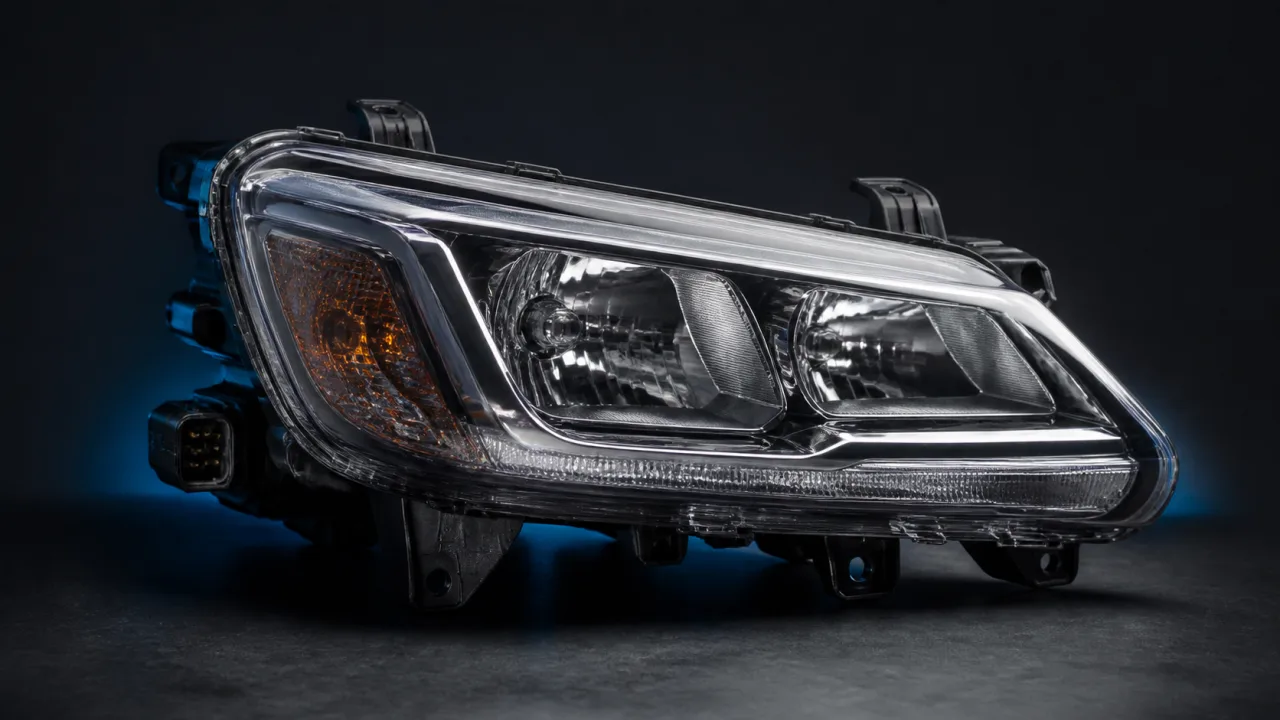
On an older or low-volume vehicle, new OEM often stops being an option: once production ends the comparison is really used OEM versus whatever aftermarket exists. That is where used earns its place — trim, brackets, obsolete modules and discontinued headlight assemblies no aftermarket copy exists for or lines up with. The trade-off is warranty: new carries a manufacturer's, used is supplier-specific, so read the written terms before comparing totals.
Find the right part
Search by VIN to request a quote for a used OEM part and review fitment, condition, warranty, shipping, and final terms before purchase.