Quick answer: If your lenses are badly clouded, replacing the assembly beats polishing it. AAA lab testing found deteriorated headlights gave just 22% of the light a new one does on low beam; professional or DIY restoration recovered only about 70% and produced more glare than DOT criteria allow; replacing with the original manufacturer's part restored output to 100%. A used OEM assembly is that same part. Buy a clear lens, match halogen, HID or LED exactly, and have the beams aimed. Review headlight fitment or request a VIN-based quote.
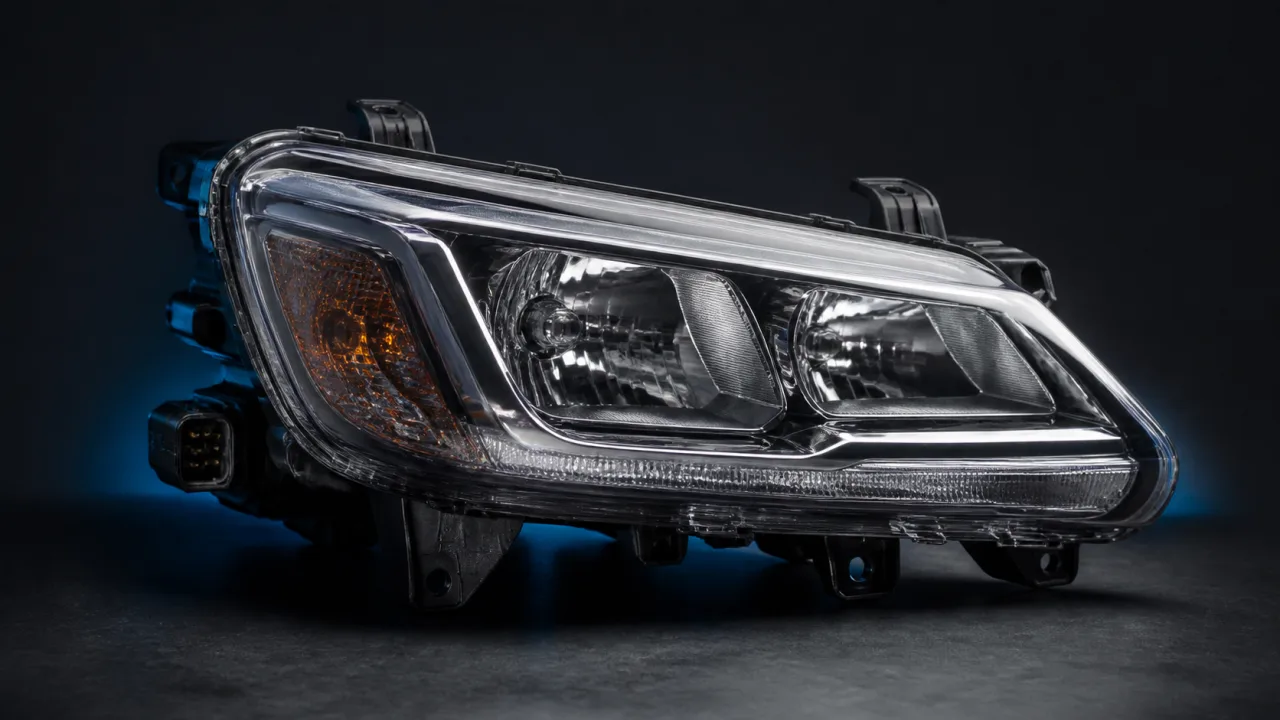
A cracked, cloudy, or moisture-filled headlight isn't just ugly — it's a safety and inspection issue. New OEM headlight assemblies (especially LED, HID, or adaptive units) are surprisingly expensive, which makes a quality used assembly one of the best-value repairs out there.
When to replace a headlight assembly
- Cracked or shattered lens or housing
- Condensation or water pooling inside
- Yellowed/hazed lens that won't restore
- Broken mounting tabs (won't aim correctly)
- Failed bulb sockets or internal ballast (HID)
Restore the lens, or replace the assembly?
This is the decision most people get wrong, and there is testing behind it. AAA had an accredited lab measure headlights from two popular sedans about eleven years old against new ones, to Federal Motor Vehicle Safety Standard 108. The aged lamps produced just 22% of the light on low beam. Sunlight damage to the protective coating is the cause.
The fixes are not equal. Restoration — professional or DIY — returned output to roughly 70%, but both methods produced more glare than DOT criteria allow. Aftermarket replacements came back at 83–90%, yet failed certain light-intensity requirements and were likelier to glare at oncoming traffic. Only replacing with the original manufacturer's part restored output to 100%.
That is the argument for a used lamp: a salvage assembly is an OEM part. It also makes lens condition on the donor unit non-cosmetic — a hazed used lens buys you a 70% headlight, so insist on a clear one.
What a used headlight costs
Used headlight assemblies cost a fraction of new OEM units — the savings are biggest on LED, HID, and adaptive headlights, which can run into the thousands new. Price depends on your vehicle, the bulb technology, and left vs. right side.
Getting an exact match is critical
Headlights are one of the trickiest parts for fitment. The same model year can have halogen, HID, or LED variants — and adaptive/auto-leveling versions — that are not interchangeable. Search by VIN and confirm the bulb type and connector before buying.
How to buy the right one
- Match by VIN and confirm halogen vs. HID vs. LED and the connector type.
- Check the lens and tabs — clear lens, no cracks, intact mounting tabs.
- Specify left or right (driver/passenger) for your market.
- Confirm the warranty before buying.
Aiming and calibration: what happens at the shop
Plan for a beam aim. I-CAR's adaptive-lighting guidance is that calibration may or may not be required after headlamp removal or replacement, depending on vehicle-specific service information, and that most OEMs only require headlamp beam aiming upon installation. So do not assume a lamp swap triggers a full ADAS calibration — or that it never does.
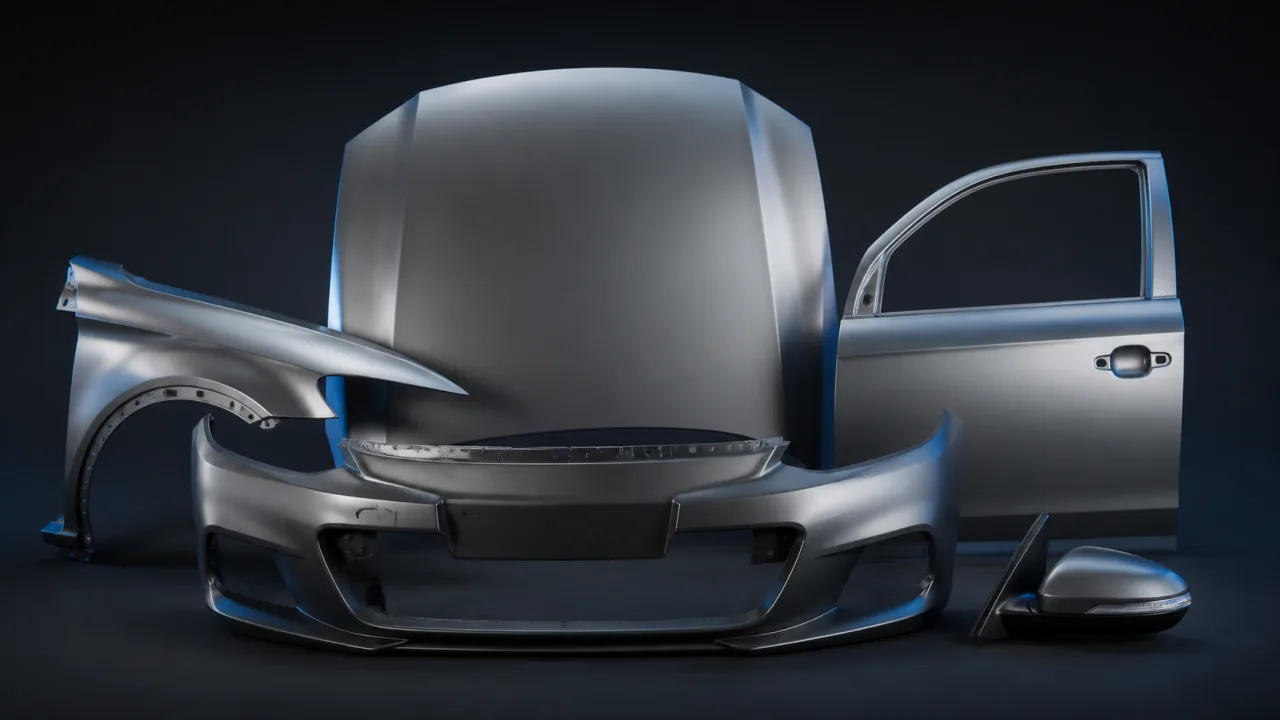
Where calibration bites is elsewhere: it is required in most cases after replacing the sensors and modules that operate the headlamps, and some vehicles require it if suspension components are removed, installed or replaced — which matters if the lamp is part of a wider front-end repair. Specialised tools may be needed, and the vehicle-specific service manual decides. Ask your installer to check the procedure for your VIN, and see how used-part pricing is built before comparing quotes. If the front end took a knock, our used body parts guide covers the panels around it.
Find a used headlight
Review headlight fitment or request a VIN-based quote so the lighting technology, side, features, condition, shipping, warranty, and final pricing can be confirmed before purchase.